

The concept of route streamlining sounds perfect. Lines on a map. Arrows. A clean shortest path. Reality has other plans helpful resources.
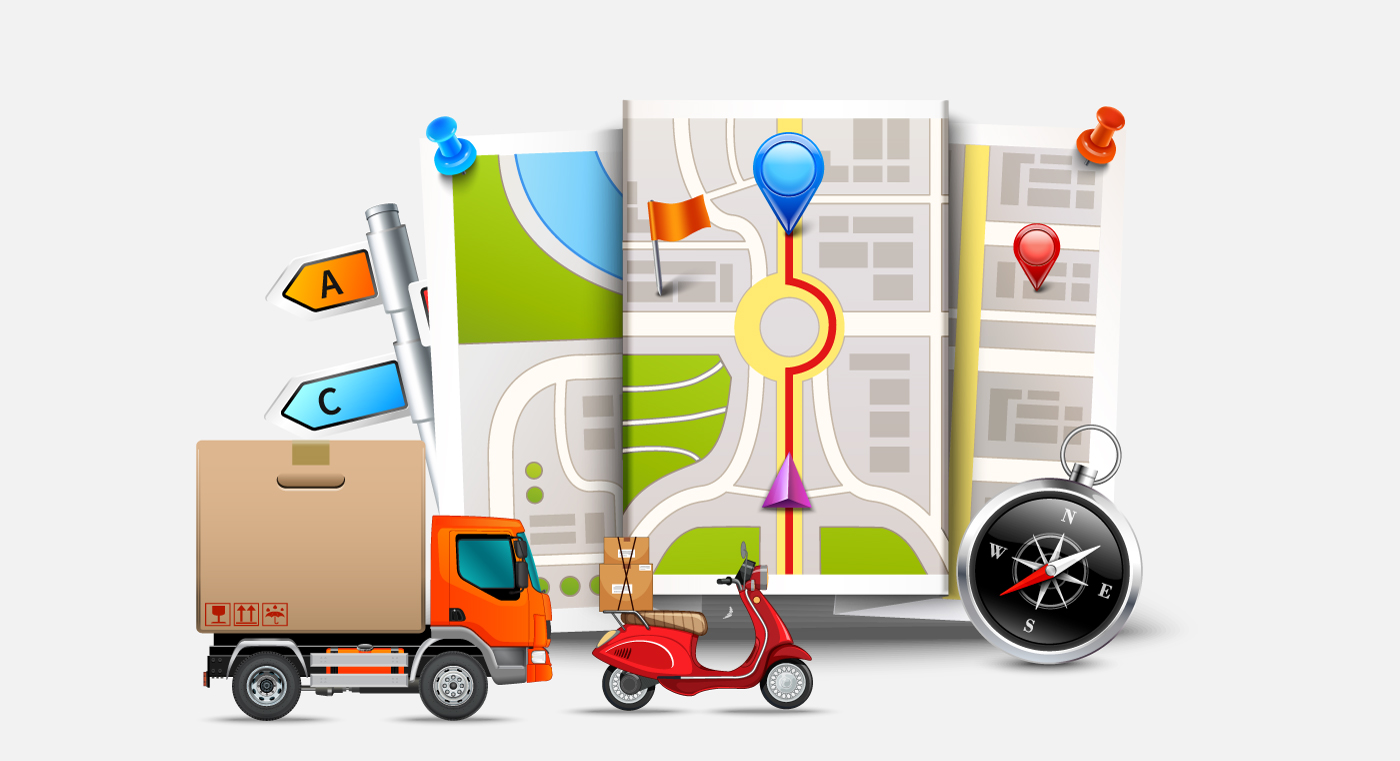
Picture a delivery driver named Sam. A coffee cup in one hand. A phone shouting directions. One road closed, then another. What should be a simple drive turns into an unwanted tour. This is where optimisation shows its worth.
The fundamental question of route optimisation is straightforward: what is the best working route right now? Not yesterday. Not from a textbook. Live conditions decide everything.
Distance alone is not enough. Time matters more. Consistency also counts. A slow five-mile crawl can be worse than a smooth seven-mile flow. Anyone stuck behind three red lights knows this truth.
Modern optimisation is data-driven. Massive amounts of data. GPS signals, traffic history, real-time congestion data. Driver behavior even enters the equation. Frequent hard braking? The system adapts. Too much idling? Routes change. The map is listening.
Organizations see direct results. Reduced mileage leads to lower fuel consumption. That appears clearly in reports. Drivers arrive home sooner, boosting morale. The question “Where is my delivery?” fades away. It is the best kind of silence.
There is also a strategic side people often overlook. Routes influence habits, and habits drive performance. When teams get smarter, wasted motion disappears. One logistics manager joked, “We didn’t cut costs. We just stopped being dumb.”. Rough, but true.
Route optimisation trade-offs are addressed calmly. Is speed more important than fuel efficiency? Consistency or avoiding toll roads? Some days you choose the fast lane. Other days you avoid it. Bad systems do not improve through committee meetings.
And it’s not just trucks. Technicians, sales teams, emergency crews, and school buses. A school district cut ten minutes from each bus ride. Parents noticed, and kids did as well. Morning complaints dropped before 8 a.m.
Humans still matter. Algorithms recommend, humans choose. Drivers know which alleys flood in the rain. Dispatchers know which customers panic when deliveries are late. The strongest results come from blending human insight with mathematics.
Optimisation is not glamorous. Nobody throws a party for fewer left turns. Yet it protects time, money, and sanity. Silently, without fanfare. Like comfortable shoes, you notice them only when you lose them.
Once optimisation is adopted, it is hard to abandon. Like folding a paper map after using GPS. You could do it, but you wouldn’t want to.